Best Spray Sunscreen for Teens: Neutrogena Wins

A ranked guide to six spray sunscreens a teen will actually reapply, with the SPF, water resistance and formula trade-offs laid out side by side.

By Corey DuncanUpdated 16 min read
On this page
- Best spray sunscreen for teens at a glance
- Who this guide is not for
- How I narrowed six sprays from the shelf
- 1. Neutrogena Beach Defense Sunscreen Spray SPF 50 — Best overall
- 2. Neutrogena Beach Defense Sunscreen Spray SPF 70 — Runner-up
- 3. Banana Boat Sport SPF 30 Sunscreen Spray — Best for beginners
- 4. Sun Bum Kids SPF 50 Clear Sunscreen Body Spray — Best for heavy use
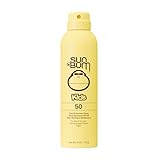
- 5. Sun Bum Original SPF 50 Broad Spectrum Sunscreen Body Spray — Best for families
- 6. Blue Lizard Kids Mineral Sunscreen Spray SPF 50+ — Best premium
- SPF 30, 50 or 70: which number matters for teens?
- Chemical or mineral: what changes for teen skin?
- How long does a 6 oz can actually last?
- What the listings do not tell you
- The verdict
- FAQ
The best spray sunscreen for teens is the Neutrogena Beach Defense Sunscreen Spray SPF 50, a 6.5 oz oil-free spray with broad-spectrum protection and 80 minutes of water resistance. If your teen is out for longer stretches without reapplying, the SPF 70 version of the same spray is the safer default. Both sit in the lowest price position of this set of six.
Best spray sunscreen for teens at a glance
| Pick | SPF | Water resistance | Size | Price |
|---|---|---|---|---|
Best overall Neutrogena Beach Defense SPF 50 |
50 | 80 min claim | 6.5 oz | Check Price |
Runner-up Neutrogena Beach Defense SPF 70 |
70 | 80 min claim | 6.5 oz | Check Price |
Best for beginners Banana Boat Sport SPF 30 |
30 | 80 min claim | 6 oz, 2-pack | Check Price |
Best for heavy use Sun Bum Kids SPF 50 Clear |
50 | Wet or dry skin claim | 6 oz | Check Price |
Best for families Sun Bum Original SPF 50 |
50 | 80 min claim | 6 oz | Check Price |
Best premium Blue Lizard Kids Mineral SPF 50+ |
50+ | 80 min claim | 5 fl oz | Check Price |



Who this guide is not for
A note on the search term first. None of these six products is labelled as a teen-specific sunscreen. Two are marketed for kids, three are general body sprays, and one is a sport formula. Amazon returned this mix because "for teens" is a shopper's word, not a category on the shelf. So this guide compares six sprays a teen can realistically use, and points out where a kids' or sport label matters. If you were expecting a teen-branded aisle with acne claims and matte finishes, that aisle does not exist in this set. What you get instead is a body spray for arms, shoulders, backs and legs, applied 15 minutes before the sun.
Face sunscreen is a different product and not covered here. If your teen has active acne on the body, a mineral formula like the Blue Lizard is a gentler default than the alcohol-forward chemical sprays. Otherwise, treat these as general body sunscreens and match the SPF and format to the day, not the age on the box.
How I narrowed six sprays from the shelf
The starting point was every spray sunscreen returned for this query, then a screen against three criteria in the published listing data.
- A stated SPF. Anything vague on the number was out. Every pick here lists a specific SPF from 30 to 70.
- A water-resistance claim. Every finalist claims 80 minutes, which is the upper bound the FDA lets sunscreens print. That matters more for a teen than a five-year-old on a splash pad, because a teen is often the one deciding whether to reapply.
- A body-spray format in a 5 to 6.5 oz can. Aerosol lotions and stick formats were cut. What survived is comparable in size and application style.
From there I ordered the six by fit for a teen's typical week: pool, practice, beach day, walking to school in shorts. The two Neutrogena sprays came out on top on the strength of a lightweight oil-free formula and, for the SPF 70, the highest broad-spectrum number in this set. The Banana Boat two-pack earned its spot on redundancy. The three Sun Bum and Blue Lizard entries covered wet-skin use, family sharing and mineral-only skin.
Weakness of the method: I have listing text, not skin. I cannot tell you which of these breaks out an oily teen T-zone, because the input does not carry that data. What I can do is flag the formula differences that make one likelier than another to sit well.
1. Neutrogena Beach Defense Sunscreen Spray SPF 50 — Best overall
A light, oil-free SPF 50 spray in the largest common can size, at the cheapest position in this set.
Best for: a teen who wants a light, fast spray for pool days and practice Skip it if: you want mineral-only or fragrance-free
This is the pick because it hits the four things a teen actually needs from a spray sunscreen and does not add complications. SPF 50 covers most single-day outdoor use. The 6.5 oz can is the joint-largest here, tied with its SPF 70 sibling and bigger than the 5 oz Blue Lizard. The dimensions are 7.25 x 2 x 2 in, which fits a backpack side pocket. Neutrogena says the formula uses its Helioplex broad-spectrum system, is oil-free, and is water-resistant for up to 80 minutes. The 2019 release date means the current formula has been on shelves long enough for a teen to have used it at a friend's house already, which lowers the odds of a fight about switching.
What it gives up: it is a chemical sunscreen, so a teen with reactive skin may prefer the Blue Lizard, and Neutrogena does not publish a fragrance-free claim on this listing. Against the SPF 70 version, you lose 20 points of SPF for a marginally lower price position.
Pros:
- Highest SPF-to-size ratio in the entry price position
- Oil-free formula that Neutrogena says absorbs quickly
- 6.5 oz can, tied for largest in the set
- 80-minute water resistance claim
- Slim 2 x 2 in profile fits a bag pocket
Cons:
- Chemical filter, not mineral
- No fragrance-free claim in the listing
- Sold as a single can, not a two-pack
2. Neutrogena Beach Defense Sunscreen Spray SPF 70 — Runner-up
The same can, the same size, a higher SPF number for the days a teen forgets to reapply.

Best for: long midday sessions where reapplication is unreliable Skip it if: your teen prefers the lowest SPF that still works
This is the same 6.5 oz can, the same 7.25 x 2 x 2 in body, from the same brand. The one thing that changes is the SPF number, from 50 to 70. That is not double the protection: the jump from SPF 50 to SPF 70 is a small percentage of extra UVB filtered, and Neutrogena's own water-resistance claim is still 80 minutes on both. So why the runner-up slot rather than a tie? Two reasons in the data. The 2014 release date means this is the older formula in the Beach Defense line. And it sits one step up the price ladder from the SPF 50, at the second-cheapest position in this set, for a marginal protection gain.
Where it earns the pick is a real teen scenario. If your teen is at the pool from 11am to 3pm and reapplies once, badly, at lunch, the higher starting SPF buys a margin the SPF 50 does not. Choose it for that pattern, not for the number on the front.
Pros:
- Highest SPF in the whole set at 70
- 6.5 oz can, tied for largest here
- 80-minute water resistance claim
- Same slim profile as the SPF 50
Cons:
- Older 2014 formula compared to the SPF 50 sibling
- Small real-world gain over SPF 50 for the higher price position
- Chemical filter, not mineral
3. Banana Boat Sport SPF 30 Sunscreen Spray — Best for beginners
A two-pack sport spray, the fastest-selling pick in the set, at a lower SPF number.

Best for: a teen new to daily sunscreen who wants a two-pack to keep one in a bag Skip it if: you need SPF above 30
Two 6 oz cans in one box is the real advantage here. One goes in the sports bag and stays there. The other lives on the counter and gets used before school. That solves the actual problem with teen sunscreen use, which is not the formula but the friction of remembering. Banana Boat labels this as a sport spray, and the listing says it is water and sweat resistant up to 80 minutes and free from oxybenzone and octinoxate, which is worth mentioning for anyone thinking about reef-safe wording. This is also the fastest-moving of the six by a wide margin: buyers here choose it more often than any other pick.
The trade-off is SPF 30, the lowest number in this guide. For a teen at a tournament in July, that is a real gap against the SPF 50 and SPF 70 picks. Treat SPF 30 as the floor for pale skin outdoors, not the target. The 2022 release date is the newest formula in the set.
Pros:
- Two 6 oz cans included, unique in this set
- 80-minute water and sweat resistance claim
- Listing states no oxybenzone or octinoxate
- Newest formula here, 2022 release
- Sells faster than the rest of this set
Cons:
- SPF 30, the lowest in this guide
- Bulkier 7.75 x 4.18 x 2.09 in twin box
- Sport wording, no teen-specific claims
4. Sun Bum Kids SPF 50 Clear Sunscreen Body Spray — Best for heavy use
A clear SPF 50 that Sun Bum says works on wet or dry skin, useful for reapplying between laps.

Best for: wet-skin reapplication after swimming or sweaty sports Skip it if: you want the cheapest option per ounce
The kids branding on the front will not thrill a 15-year-old, so let us start with what actually matters. Sun Bum says this SPF 50 spray can be applied to wet or dry skin. That single line does more for a teen at the pool than a higher SPF number, because the whole point of reapplication is that it happens after the swim, when the skin is still damp. The listing states the formula is made without oxybenzone, octinoxate, gluten, parabens or synthetic fragrance, and that it is Hawaii Act 104 compliant.
The 6 oz can is a standard size, and the 2023 release makes it the second-newest formula here. The slowest seller of the six, though, which suggests buyers gravitate to the Neutrogena and Banana Boat mainstream sprays first. The other honest trade-off is the mid price position for a formula that is broadly similar in feel to the Sun Bum Original. If wet-skin application does not matter for your teen's routine, the Original at the same brand does the same job with a scent teens actually like.
Pros:
- Wet-or-dry skin application claim
- Formulated without oxybenzone or octinoxate per listing
- Hawaii Act 104 compliant claim
- 2023 formula, second-newest here
Cons:
- Kids branding on the label
- The slowest seller of the six
- Mid price position for a 6 oz can
5. Sun Bum Original SPF 50 Broad Spectrum Sunscreen Body Spray — Best for families
The Sun Bum every teen recognises, a 6 oz SPF 50 in the premium price position, likely to get used because of the scent.

Best for: a household sharing one bottle between a teen and adults Skip it if: you want a scent-free spray
The best spray sunscreen for teens is often the one they will actually pick up. Sun Bum Original is that spray. Sun Bum says the formula is dermatologist tested, non-comedogenic and packed with Vitamin E, and that it is free from oxybenzone, octinoxate, gluten, parabens and cruelty. The listing dimensions are 8 x 2 x 2 in, which is the tallest can here, and the 2019 release date matches the Neutrogena SPF 50. It sits in the premium price position of this set, second-most expensive.
The real advantage is household adoption. Adults and teens will share one can of this without complaint, which means it stays stocked and it stays in reach. The listing does not publish a scent-free option, and the coconut scent is polarising: if anyone in the house dislikes it, this is not your family pick. Compared to the Neutrogena SPF 50, you pay more for a similar SPF and can size, and you gain a formula with published paraben-free and reef-conscious claims.
Pros:
- Sun Bum branding that teens recognise
- Non-comedogenic and Vitamin E claim on listing
- Free-from list covers oxybenzone, octinoxate, parabens
- 80-minute water resistance claim
Cons:
- Strong coconut scent by reputation
- Premium price position for a 6 oz can
- Sold as a single can, not a two-pack
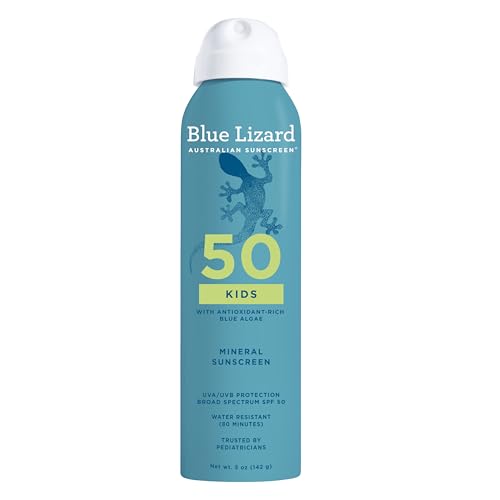
6. Blue Lizard Kids Mineral Sunscreen Spray SPF 50+ — Best premium
The only mineral spray in the set, built around zinc oxide, at the top of the price ladder.
Best for: reactive skin that flares under chemical filters Skip it if: you want the biggest can for the money
If a teen's skin reacts to chemical sunscreens, this is the one product in the set that avoids them entirely. Blue Lizard says the spray protects with zinc oxide, without chemical active ingredients and without airborne titanium dioxide, and that the formula is free from parabens, fragrances and drying alcohols. That combination matters for eczema-prone skin more than any SPF gap between 50 and 70. The listing states 98% UVB protection at SPF 50+ and an 80-minute water resistance claim.
The trade-offs are real. This is the most expensive pick here and the smallest at 5 fl oz, so the price per ounce is the highest in the set by some distance. Mineral sprays also tend to leave a whiter cast than chemical ones, and while the listing calls the finish lightweight and non-greasy, it does not promise invisibility. And the kids branding again, which older teens will notice. Buy it for the skin type, not the label.
Pros:
- Only mineral, zinc-oxide pick in this set
- No fragrance, parabens or drying alcohol per listing
- Broad-spectrum SPF 50+ claim
- 80-minute water resistance claim
Cons:
- Most expensive pick in the set
- Smallest can at 5 fl oz
- Kids branding on the label
- Potential white cast typical of mineral sprays
SPF 30, 50 or 70: which number matters for teens?
The SPF number is the first thing shoppers compare and the wrong thing to fixate on. Here is the short version. SPF 30 blocks about 97% of UVB. SPF 50 blocks about 98%. SPF 70 blocks a tiny sliver more. The gain from 30 to 50 is real. The gain from 50 to 70 is small on paper.
What actually matters for a teen is reapplication. A teen who applies SPF 50 once at 10am and never again is less protected by 2pm than a teen who applies SPF 30 twice. Every product here claims 80 minutes of water resistance, which is the standard, and every listing says that reapplication after swimming or sweating is required.
So the practical rule for the best spray sunscreen for teens is this: pick SPF 50 as the default, step up to SPF 70 if reapplication is unreliable, and only drop to SPF 30 if you are buying the Banana Boat two-pack for the redundancy of two cans. The number is a floor for a teen who forgets, not a ceiling for a parent who does not.
Chemical or mineral: what changes for teen skin?
Five of the six picks here are chemical sunscreens. The Blue Lizard is the only mineral one. The difference matters for a specific skin type.
- Chemical sprays use organic filters that absorb UV. They tend to feel lighter and disappear on the skin. The Neutrogena SPF 50, Neutrogena SPF 70, Banana Boat Sport SPF 30, Sun Bum Kids SPF 50 and Sun Bum Original SPF 50 all fall in this camp.
- Mineral sprays use zinc oxide or titanium dioxide to reflect UV. They are the gentler default for reactive skin, and Blue Lizard says its formula uses zinc oxide only, with no airborne titanium dioxide.
For a teen with clear, tolerant skin, the chemical picks are lighter and easier to apply evenly. For a teen with eczema, active body acne, or a history of reacting to fragranced skincare, the Blue Lizard is the safer starting point. The Sun Bum Kids formula sits in between, chemical but with a free-from list that removes fragrance, parabens and a few common irritants. None of these is a substitute for a patch test on the inner arm before a full-body application, particularly on skin that has reacted before.
How long does a 6 oz can actually last?
Sunscreen guidance from the FDA and dermatology bodies is roughly one ounce, about a shot glass, per full-body adult application. A teen at full height is close to that. So a 6 oz can, applied properly, is six full-body applications. A 6.5 oz can, seven. A 5 oz can like the Blue Lizard, five.
That does not match how spray sunscreen usually gets used, which is one short pass over the shoulders and none on the calves. Sprays feel like they last longer than they should because the application is thinner than the label assumes.
Two numbers to anchor on:
- A single beach day for one teen: expect to burn through half a can if the label instructions are followed.
- A summer of daily practice for one teen: expect to buy two to four cans across the season.
That is why the Banana Boat two-pack earns its spot. Buying redundancy up front means the second can is already at home when the first runs out mid-July. If you buy any single-can pick here, buy two.
What the listings do not tell you
Listing text is marketing, not measurement. A few gaps worth knowing before you buy.
- Actual scent. Sun Bum Original is famously coconut-forward and the Neutrogena sprays have a lighter, more neutral scent by reputation, but the listings do not publish scent detail beyond fragrance-free claims where they apply.
- Spray cone and propellant. None of these listings state the spray angle, the propellant used, or whether the can inverts for hard-to-reach spots. All are pressurised cans by design.
- Cast on darker skin. The Blue Lizard mineral formula is the one likeliest to leave a visible white cast. The listing does not quantify it.
- Behaviour on acne-prone skin. Sun Bum Original claims non-comedogenic. The others do not commit either way in the fields provided.
None of these gaps is a reason to avoid the category. They are reasons to try one can before committing to a case, and to keep the receipt if a teen's skin has been reactive in the past.
The verdict
The best spray sunscreen for teens is the Neutrogena Beach Defense Sunscreen Spray SPF 50. It hits the practical brief in a way no other pick in this set does: broad-spectrum SPF 50, 6.5 oz can, oil-free formula, 80-minute water resistance claim, and the lowest price position of the six. That last point matters because sunscreen only works when it gets reapplied, and reapplication is easier when a second can is affordable enough to keep in a bag.
Two conditions flip the pick.
If reapplication is unreliable, which for a teen at a full pool day or a tournament often is, step up to the SPF 70 version of the same spray. Same can, same size, higher starting protection, at the second-cheapest position. That is the two-track buy.
If skin has reacted to chemical sunscreens before, the Blue Lizard Kids Mineral SPF 50+ is the safer default despite the premium price and the smaller 5 fl oz can. It is the only zinc-oxide pick here and the only one Blue Lizard says is free from parabens, fragrances and drying alcohols.
For a teen who is new to the habit and needs redundancy, the Banana Boat Sport SPF 30 two-pack solves the friction problem. For a household sharing one bottle, the Sun Bum Original is the crowd-pleaser.
FAQ
What SPF is best for teens who spend all day outdoors?
Best for teens outdoors all day is SPF 50 as the default, stepping up to SPF 70 when reapplication is unreliable. SPF 50 blocks around 98% of UVB and every pick above SPF 30 here claims 80 minutes of water resistance. The bigger factor is applying enough and reapplying after swimming or sweating, not chasing the highest number on the shelf.
Is spray sunscreen worth it, or should teens use lotion?
Spray sunscreen is worth it for teens because it removes the biggest barrier to daily use, which is friction. A can like the Neutrogena Beach Defense SPF 50 applies in under a minute over arms, shoulders and legs. Lotion covers more evenly but takes longer, so it gets skipped more often. The right sunscreen is the one your teen actually reapplies twice in a day.
Is Neutrogena Beach Defense SPF 50 or SPF 70 better for a teen?
Neutrogena Beach Defense SPF 50 is better for most teens because the gain from 50 to 70 is a small percentage of extra UVB blocked. Choose the SPF 70 version if your teen forgets midday reapplication or is out for four-hour stretches at the pool. Both cans are 6.5 oz with an 80-minute water resistance claim, so the only real variable is the starting number.
Are these sprays reef safe for beach trips?
Reef safe wording appears on several picks here, but no US federal definition exists for the term. The Banana Boat Sport SPF 30, Sun Bum Kids SPF 50, Sun Bum Original SPF 50 and Blue Lizard Kids Mineral SPF 50+ all list formulas made without oxybenzone and octinoxate. Blue Lizard is the only mineral zinc-oxide option in the set. Check local rules if you are heading to Hawaii or Key West.
How much sunscreen does a teen actually need per application?
A teen actually needs about one ounce, roughly a shot glass, per full-body application. That means a 6 oz can covers about six full applications and a 6.5 oz Neutrogena can covers about seven. Most teens apply far less than that from a spray, which is why the label SPF overstates real-world protection. Buying a two-pack like the Banana Boat Sport keeps a second can within reach.
The straightforward next step is to put the Neutrogena Beach Defense SPF 50 in the cart, add a second can, and set the reapplication expectation before the first beach day. That single decision covers the most likely teen scenarios: pool, practice, walking home from school in shorts. If reactive skin is on the table, swap in the Blue Lizard as the everyday can and keep the Neutrogena for high-activity days. The best spray sunscreen for teens is the one that is stocked in July and not empty by the second weekend, and the Neutrogena wins on price position, size and formula weight combined.